Marsyella: A Handwritten Font for Editorial Design
In the crowded landscape of digital publishing and print media, the choice of typography often determines whether a reader engages with your content or scrolls past it. As creators who balance aesthetics with readability, we constantly search for typefaces that carry personality without sacrificing clarity. Marsyella has emerged as a standout option in the realm of script fonts, offering a delicate, elegant, and flowing handwritten style that breathes life into editorial layouts. Whether you are designing a lifestyle blog, crafting an ebook cover, or curating a premium newsletter, this font provides the visual warmth needed to connect with your audience on a personal level.
The Visual Personality of Marsyella
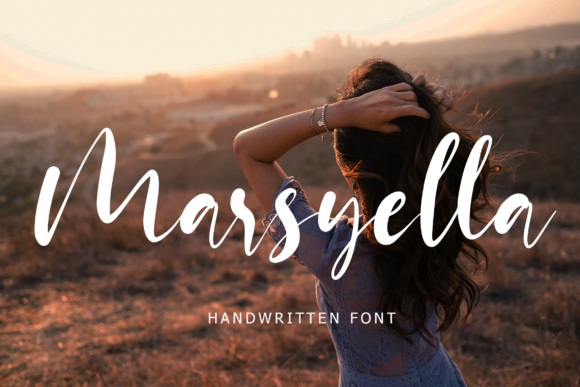
At its core, Marsyella is defined by its graceful curves and well-balanced character structure. Unlike many script fonts that can appear overly decorative or difficult to decipher, Marsyella maintains a sense of order within its fluidity. The strokes mimic natural handwriting, yet they possess a refined polish that elevates any design project. This balance makes it an ideal display font for headlines, pull quotes, and accent text where emotional resonance is just as important as legibility.
When applied to editorial design, the font’s elegance creates an immediate sense of sophistication. It feels modern yet timeless, capable of fitting seamlessly into both contemporary web designs and classic magazine spreads. The characters flow together naturally, creating a rhythm that guides the eye across the page. For publishers looking to establish a distinct brand identity, Marsyella offers a unique voice that stands out against the sea of standard sans serif and serif fonts used for body copy.
Enhancing Editorial Layouts and Branding
Integrating Marsyella into your publication strategy requires understanding where it shines brightest. While it is not designed for long-form reading, its impact as a heading font is profound. Imagine a blog post about sustainable living; using Marsyella for the article title instantly conveys a human touch, suggesting authenticity and care. Similarly, on a magazine cover, the font can transform a simple headline into a compelling visual hook that promises an intimate, curated experience.
For ebook creators and course designers, the font serves as an excellent tool for chapter openers and section dividers. These moments of transition are crucial for maintaining reader engagement, and a beautiful script like Marsyella signals a shift in tone or topic effectively. In printable materials such as planners, journals, and worksheets, the font adds a layer of personalization that mass-produced templates often lack. It turns a functional document into a cherished artifact, encouraging users to interact more deeply with the content.
Practical Applications Across Media
- Lifestyle Blogs: Use Marsyella for post titles and sidebar accents to create a friendly, approachable atmosphere.
- Ebook Covers: Apply the font to the main title to suggest a narrative or memoir style, drawing readers in before they even read the synopsis.
- Newsletters: Feature the font in welcome messages or special announcements to make digital communications feel less automated and more personal.
- Social Media Graphics: Create quote cards and promotional images where the handwritten aesthetic enhances shareability and emotional connection.
- Wedding Guides and Invitations: Leverage the font's romantic and delicate nature for event-related content where elegance is paramount.
Typography Pairing for Readability and Hierarchy
One of the most critical aspects of using a script font like Marsyella is pairing it correctly with other typefaces to ensure visual hierarchy and readability. Because Marsyella is so expressive, it should be balanced with a neutral, highly readable font for body text. A clean sans serif font works exceptionally well for captions, navigation menus, and footnotes, providing a crisp contrast that allows the script to breathe. Alternatively, a traditional serif font can complement Marsyella for longer articles, offering a classic editorial look that pairs the warmth of the script with the authority of the serif.
Effective font pairing is essential for guiding the reader through your content. When Marsyella is used for headings, the body text must remain unobtrusive to prevent visual clutter. This contrast helps establish a clear information architecture, ensuring that key points stand out while the supporting details remain easy to digest. For mobile layouts, where screen real estate is limited, this distinction becomes even more vital. The large, flowing letters of Marsyella capture attention immediately, while the structured body copy ensures that the message is delivered efficiently on smaller screens.
Technical Considerations for Digital and Print
When implementing Marsyella in various formats, technical performance is just as important as aesthetic appeal. For web design, ensure that the font files are optimized for fast loading times to maintain a smooth user experience. On PDF exports and print materials, the vector quality of the font guarantees sharp edges and consistent rendering at any size. This makes it suitable for high-resolution magazine covers as well as small-scale packaging design elements.
Creatives should also explore the included features of the font family. Many premium script fonts offer alternates, ligatures, and multiple weights that can add variety to your designs without needing to switch typefaces. Checking for multilingual support is another crucial step if your content reaches a global audience. Ensuring that Marsyella supports the necessary character sets will prevent formatting issues and maintain the integrity of your design across different languages.
Licensing and Commercial Use
As independent creators and agencies, understanding licensing terms is non-negotiable. Marsyella is available as a commercial font, making it a safe choice for monetized projects. Whether you are selling an ebook, distributing a paid newsletter, or designing a client publication, you need assurance that your typography usage complies with legal standards. Always verify the specific license agreement regarding the number of users, distribution limits, and permitted uses. Using a properly licensed commercial font protects your business from potential legal disputes and demonstrates professionalism to your clients and readers.
Incorporating Marsyella into your design toolkit is an investment in the quality of your visual storytelling. Its ability to blend elegance with functionality makes it a versatile asset for anyone serious about editorial excellence. By thoughtfully applying this font to headers, branding elements, and creative accents, you can elevate your content from merely informative to truly memorable. In a world of generic templates, choosing a distinctive typeface like Marsyella is a powerful way to assert your unique voice and captivate your audience.